
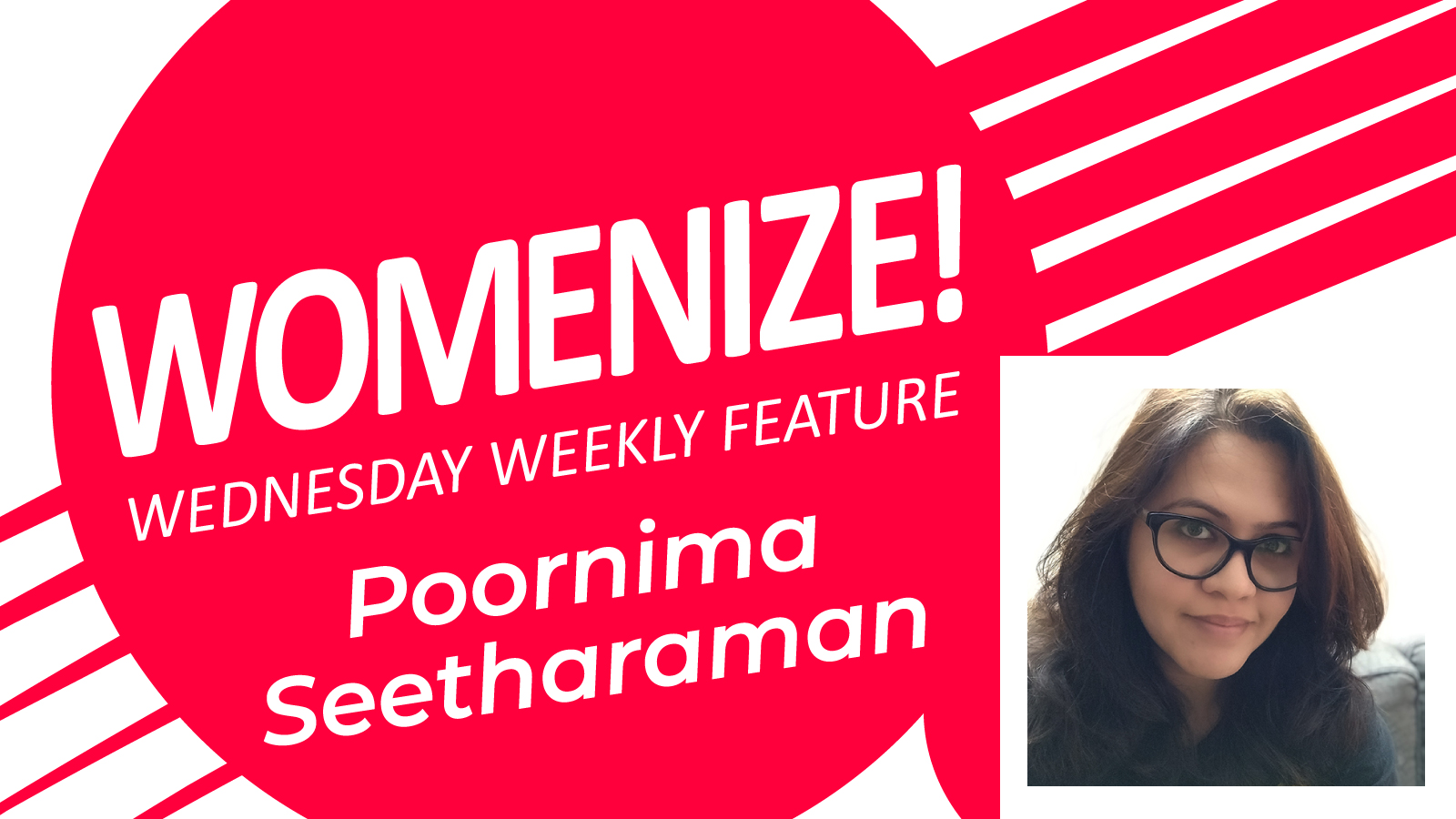
WWW FEATURE: Poornima Seetharaman
Womenize! Wednesday Weekly is our weekly series featuring inspirational women from games and tech. For this edition we talked to Poornima Seetharaman, Lead Game Designer at Zynga Bangalore. Read more about Poornima in this interview:
 Hi Poornima! You had initially studied Information Technology and went into the programming direction early on. How did you then decide that Game Design is what you’d like to do?
While I was in college, I used to experiment with creating my own campaigns for games like “Age of Empires II” and “Warcraft III”, then share it with a few friends who would play it and give me feedback. I also used to discuss some of my game ideas with them, too. I honestly didn’t know that was a part of Game Design back then.
When I took up my first job as a programmer, it was purely coincidental that it happened to be a gaming firm. After a month in, they had a position for Game Designer open up. My college mate, who was also my colleague at that firm, suggested to the manager that they should give me a shot at Game Design, as he had seen some of my design skills back in college.
And they did! I had one month to deliver my Game Design. Back then, there were barely any resources available. I managed to get Chris Crawford’s Game Design Template, read up some posts by Ernest Adams for any sort of understanding about Game Design.
The company also gave me the “Dungeons & Dragons” manuals as a reference, as we were making a mobile 2D RPG similar to “Neverwinter Nights”. I opened the books and remember falling in love with them. I made a GDD (Game Design Document) in a month including levels, dialogues, quests etc. It was pure new found love and adrenaline! After that, no matter what I did, I couldn’t keep myself away from Game Design. 🙂
How would you describe the start up and indie games culture in India? Which cities, platforms and events do you personally consider worth highlighting?
Still very niche, but picking up. We have some studios that are trying their best to put out some lovely games and then we have some startups that are focussing on the free to play and real money gaming sectors as well. Getting funding to make traditional video games is harder in India. As the ROI (return on investment) on that is tricky. But game developers are always trying to find a way to do that and make ends meet. More investors betting on innovation, infrastructure and possible government grants could help us a long way.
In terms of cities, I would say, currently Bangalore and Hyderabad are doing well! Lots of new game dev startups keep sprouting!
We have one main long standing annual conference that happens here called the India Game Developer Conference where we get to catch up and connect with everyone and also find an opportunity to meet some great global game developers. We also run a Facebook group on it.
On smaller events, we have a Bangalore Video Games Meet-up regularly hosted by some lovely indie folks as well as gamedev.in, a site and discord group run by a small bunch of game developers for community building and supporting game devs, some of whom are part of the local IGDA chapter as well.
Seeing you’ve founded/co-founded two companies, what were your main values and learnings while taking the step to become an entrepreneur?
- To me, people are important. Taking time to hire the right employees who will form your founding team and define the culture of the company is crucial.
- I do not believe in a hire and fire policy. I believe in hiring right, wherever it is in our control.
- My team is my family. I want them to feel ownership.
- Even though we were a startup, I’ve never asked my team to stretch overtime and tried our best to compensate them as well as we could.
- Be open to feedback. Always.
- One of the main things I learnt was that when we partner with someone, it is best to work with them for a while to understand them well and not base it on outside conversations. Everyone’s work style and approach towards people is different and you need to figure out if that works out for you.
- Speak up more if you sense something amiss.
- Keep conversations very transparent.
Thank you for your time, Poornima!
Poornima’s Links: Poornima’s Website | Poornima’s Twitter | Poornima’s LinkedIn | Poornima’s Instagram
WWW Feature by Sophie Brügmann

 Hi Sarah! You’ve done voice acting for renowned video games, such as “Avengers Academy”, “White Noise” and the recently remade “Trials of Mana”. Could you tell us a bit more about your journey into voice acting, especially for games?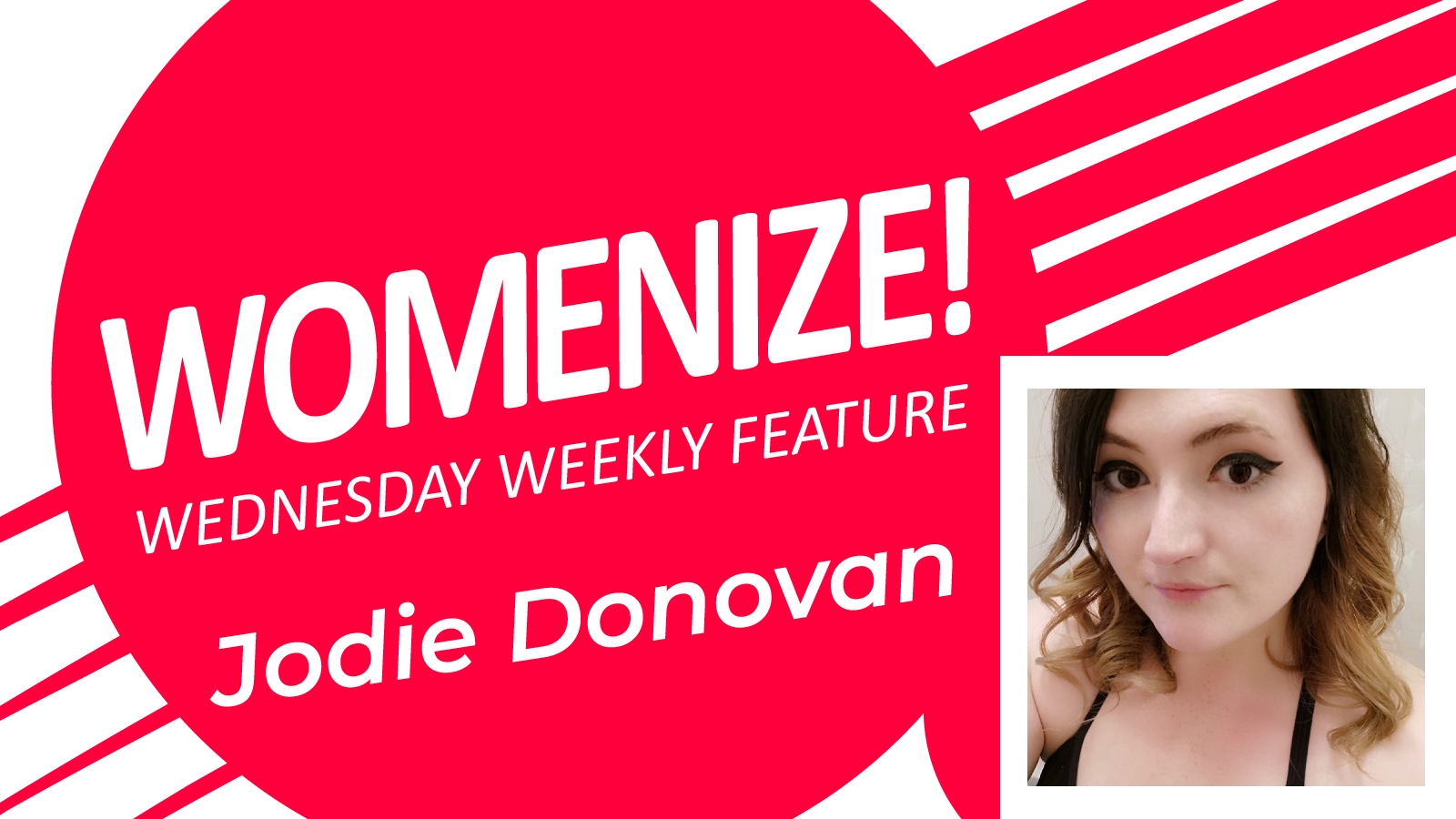
 Hi Jodie! Last year, you have successfully completed your Bachelor of Science in Applied Computing (Games & Digital Media) and you are now pursuing a master’s degree in Game Design. Which topics will you be focusing on in your thesis and what’s next after your studies?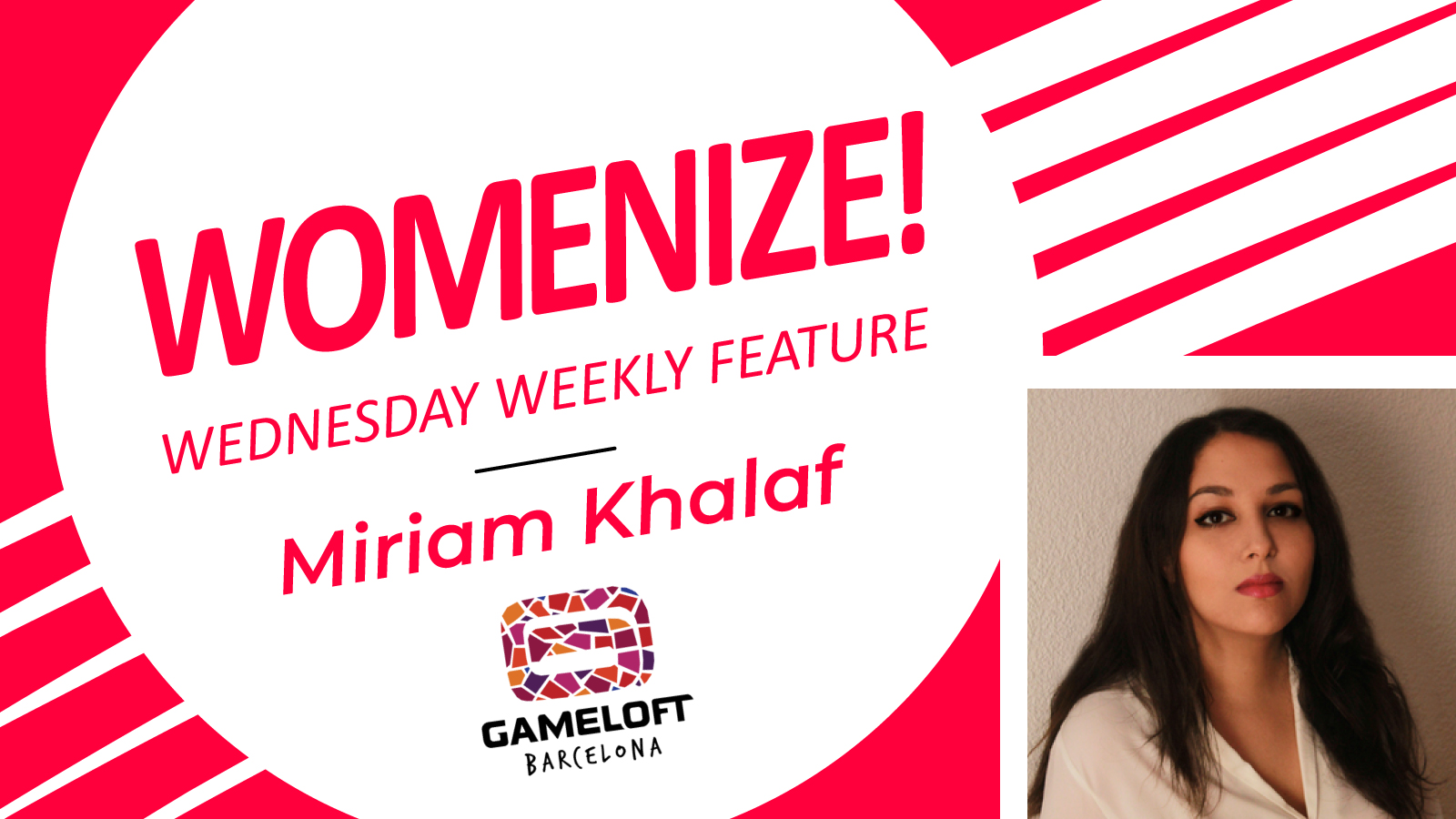
 Hi Miriam, thanks for taking the time! First off, let us start with your career – can you tell us a bit more about your journey towards your current job position?
 Hi Charlene! As Director & Publicist at Player Two PR Ltd., what are your main responsibilities and challenges from day to day?
 Hi Éloïse! Your new game, Lemon Cake, is coming soon. Could you tell us a little bit more on why and how you became a game dev and 3D artist?
 Hi Olga! Apart from being a passionate Senior Artist at your job, you are also working on some personal projects every now and then. Is there any creative idea you’ve recently developed or experimented with, that you’d love to share with us?
 Hi Anna! You work as a Principal Artist at Mediatonic and have gathered years of experience as an artist in game development and television even before that. Could you tell us a bit more about why you chose to work in games, and your journey towards your current job?
 Hi Katriina! You have quite a lot of experience working in fields such as Social Media, PR, Marketing and Event Management. How did you get started in the gaming industry originally?
 Hi Diane and Miryam, thanks for taking the time to answer our questions! Your game dev studio “Accidental Queens” was founded over three years ago and is well-known for the “Lost Phone” games, as well as for the game “Alt-Frequencies”. Can you tell us a bit more about your journeys into the games industry as programmer and artist, and how you then became queens “by accident”?