
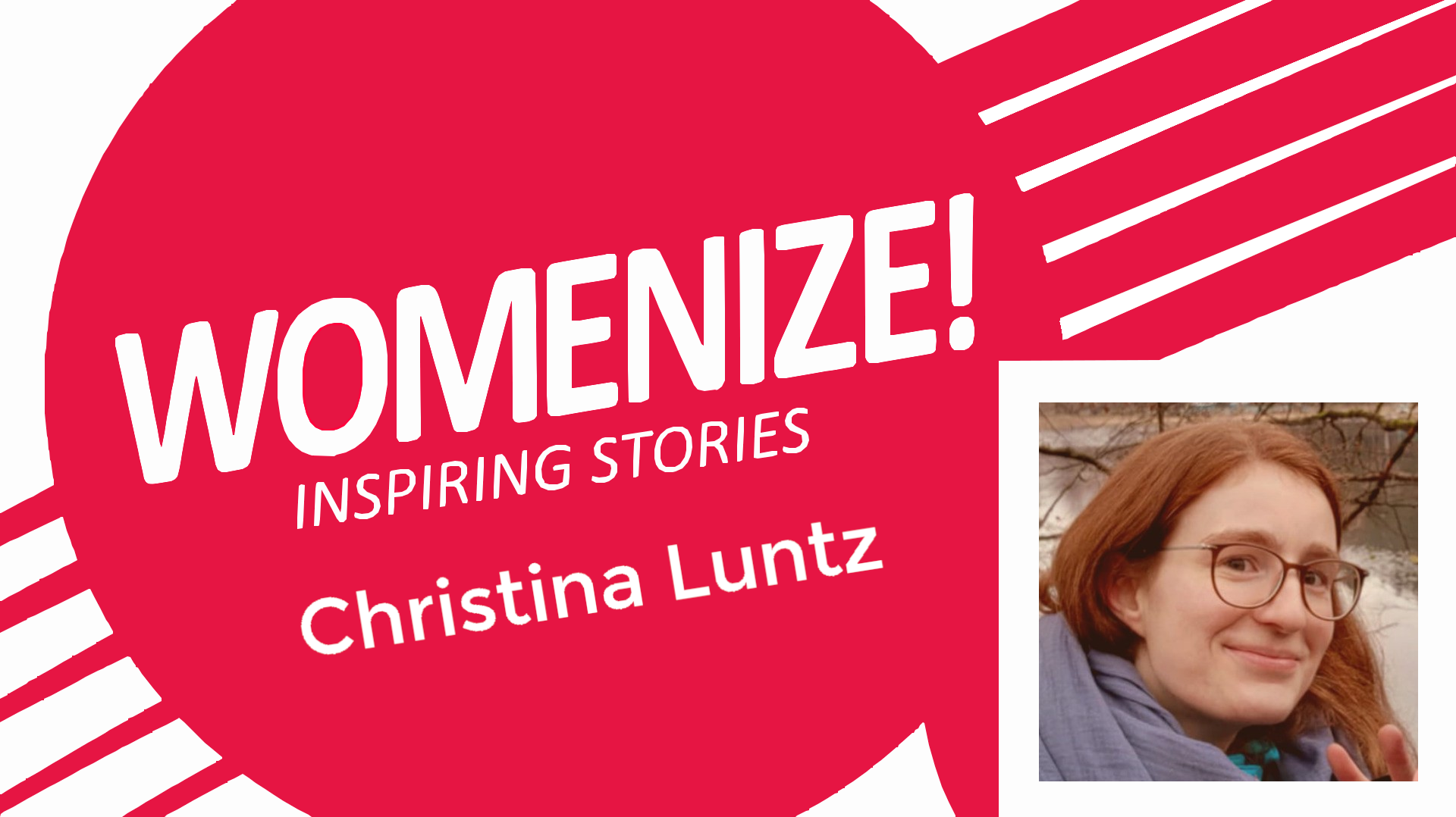
Christina Luntz, Co-Founder at Team Honeybeak has been exploring different roles in game development, built Team Honeybeak with her friends, and finds success through learning, collaboration, and personal growth.
Hi Christina! From environment art and technical art to writing and programming, your career shows that game development doesn’t have to fit into a single role. When did you realize that being multidisciplinary was your strength? And what would you say to people who feel they have to choose just one path?
Game development involves a huge variety of disciplines, and the smaller the teams, the more shoes a single person might need to fill. It was because of this that I tried programming: we had to make a game as a student project, and despite all of us being artists first and foremost, someone had to work on the code – and I was down to try. Turns out that I really enjoy programming! Writing has always been an occasional hobby of mine, so I was excited to apply it in a more professional context.
Personally, I’ve always been curious how different disciplines work and enjoy “understanding” them, so being multidisciplinary comes quite naturally to me.
Choosing a single path can be a good choice for many, no doubt! But it’s not the only choice, especially if you’re working on your own or in small teams. Branching out might let you experience more variety and enrich your brain, or give you more independence and control. And even brief familiarity with a different discipline can help you work with specialists better – that’s what I learned from working with a composer.
Founding an indie studio is not just about making games, it’s about building a team, sharing a vision, and growing together. What has been the most rewarding part of co-founding Team Honeybeak? And what have you learned about collaboration and leadership along the way?
I’d say the most rewarding part was the opportunity to get to know myself and my friends better – and, as you say, grow together. We started working on our debut game straight after our Bachelors and had (and still have) a lot to learn about what we can achieve, want to achieve and how we want to do it.
When it comes to collaboration: the most important thing I’ve learned is… communication. Probably something people see as advice a lot, but gosh, it’s crucial to learn how to communicate your needs and how to understand those of others. It’s so much easier to acknowledge and solve problems if they’re addressed properly!
Leadership is a tricky thing – we haven’t got that down to a science just yet. We’ve been figuring out that many tasks can be trusted with different people without needing everyone’s approval all the time, but it’s important to have someone who has a very clear vision of what needs to be done.
Looking back at your journey from student to studio founder, what has been your biggest personal lesson? And how has your idea of success changed along the way?
Honestly, learning to communicate and collaborate better was probably the biggest lesson for me. Really thinking about what I want and how I want to work with my friends has helped a lot, too.
About my idea of success… well, there is the big and scary topic of sustainability, and for a studio to sustain itself, there ought to be an income. We’re still working on our first game, so we haven’t achieved that kind of success just yet.
But apart from that? We succeeded in making tons of friends – the gaming and especially game dev scene is such a passionate and welcoming community! We succeeded in founding our own studio and giving independence a shot! We succeeded in improving as game developers, honing existing abilities and discovering new ones!
It’s often hard to measure these up to financial success, but they’re just as important – they show that we’re changing and growing as people.
Despite what the future might have in store for us, I’m so happy that we’ll have so many of these successes to look back on.
Womenize! – Inspiring Stories Feature by Madeleine Egger

