
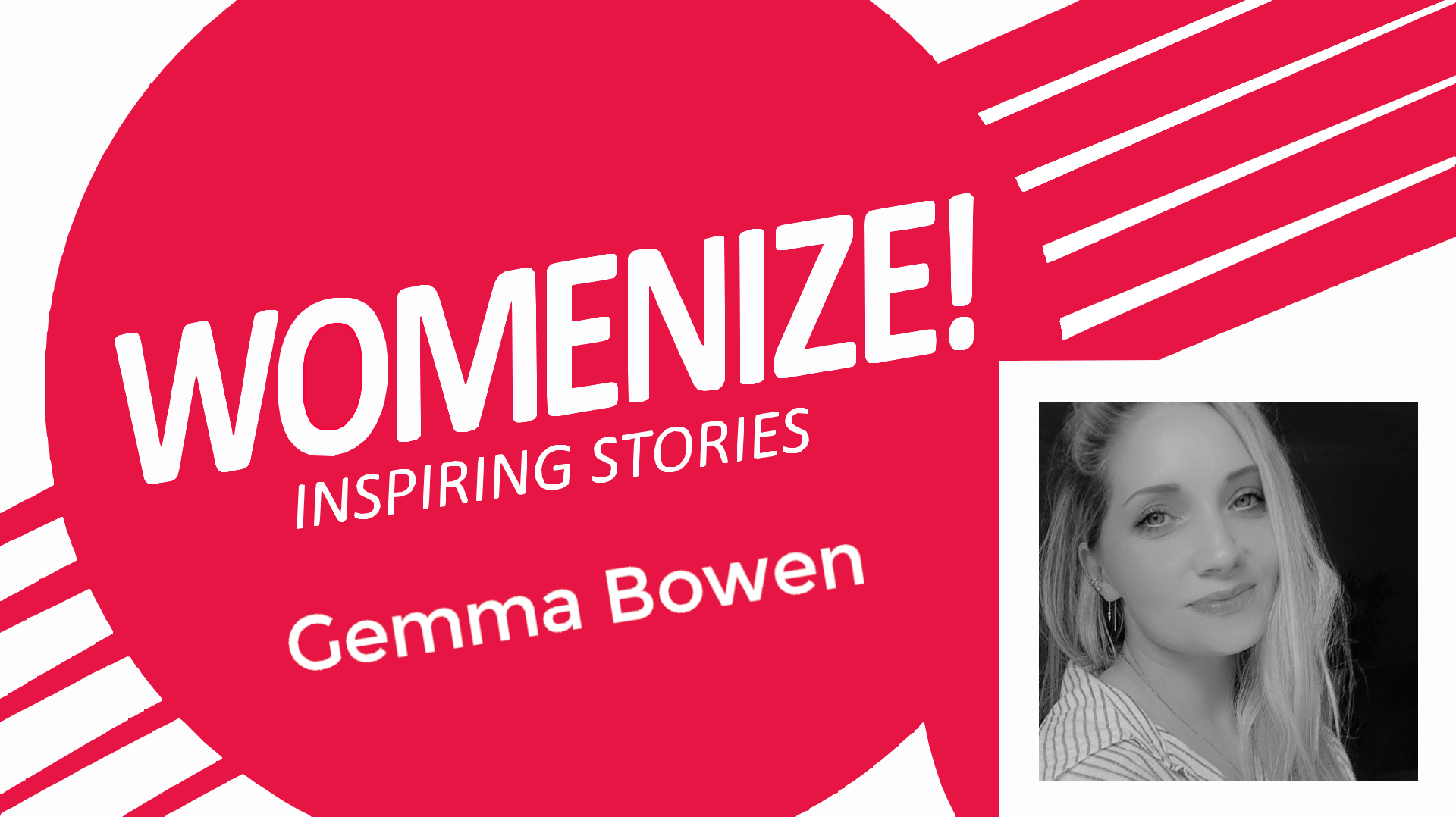
Gemma Bowen – Womenize! – Inspiring Stories
Womenize! – Inspiring Stories is our weekly series featuring inspirational individuals from games and tech. For this edition we talked to Gemma Bowen, Community Manager at Women in Games. She speaks about how embracing an unconventional career path, leading with empathy, and valuing authentic human connection have shaped her journey into building inclusive and meaningful gaming communities. Read more about Gemma here:
Hi Gemma! Your career path is anything but conventional. From nearly two decades in archaeology and graphic illustration to becoming a community leader in the games industry. Looking back, what experiences or skills from your earlier career have proven to be your greatest strengths in community management, and what would you say to people who feel it’s “too late” to change industries?
In Archaeology, you spend years piecing together the past to understand how communities lived, communicated, and found meaning. It teaches you to look at a group of people with empathy, patience, and a curiosity about what drives them. As an illustrator, my job was turning rough, muddy sketches into appealing visuals – teaching myself the software as I went
When I stepped into Community Management at Coatsink and Thunderful, those skills clicked. Managing a community isn’t just about dropping patch notes; it’s about listening, translating player feedback, and communicating with a massive, diverse group of people in a way that resonates.
Outside of my day job, I was already spending my evenings building my own brand through Twitch emote design, streaming, and content creation. My illustration background directly fed into my creative side – like using The Sims 4 as a design tool to recreate real-life spaces – which helped me find my unique voice and niche when building my own community.
If you feel it’s too late to make a change, just remember that your previous career isn’t lost time. The games industry thrives on varied backgrounds. Coming in with two decades of life experience, problem-solving skills, and a completely different worldview makes you an asset, not an underdog. The skills you think are hyper-specific are almost always transferable – you just need to reframe them.
Throughout your work at Women in Games, Thunderful Games, and as an ambassador for initiatives like Safe In Our World, you’ve consistently championed inclusive, human-first communities. In an industry increasingly shaped by technology and AI, what do you believe will always remain irreplaceably human when it comes to building meaningful communities?
Automated moderation and AI chatbots are fine for sorting data, but technology will never be able to replicate genuine empathy and lived experience.
When someone reaches out to a community because they are looking for a safe space to escape a bad day, or because they are dealing with chronic illness, mental health struggles, or isolation, an automated response can’t provide comfort.
Through my work with Thunderful, Safe In Our World and Women in Games, I’ve seen first-hand how special it is when a Community Manager takes a genuinely human-first approach and creates an environment where people feel seen, valued, and safe to be themselves.
AI can analyse sentiment, but it can’t actually care. It can’t build authentic trust, cultivate truly safe spaces, or champion marginalised voices with real conviction. Being able to look at someone and say, “I get it, and you belong here” requires real human connection – and that’s something software will never be able to replace.
Looking back at the beginning of your journey, what’s one piece of advice you wish someone had given you before entering the games industry?
I wish someone had told me earlier: stop doubting yourself just because your journey looks different.
When you break into games later in life, it’s so easy to look at people who’ve been doing this since they were in their twenties and feel like an imposter. I spent my first couple of years constantly worried that my lack of “traditional” industry experience meant I wouldn’t be taken seriously.
If I could go back, I’d tell myself that coming in with a completely fresh perspective and a genuine love for people was actually my best skillset. You don’t need to fit into a specific box to succeed here. The industry needs people with unconventional backgrounds – that’s exactly how we break out of echo chambers and build communities that are fair, inclusive, and welcoming.