
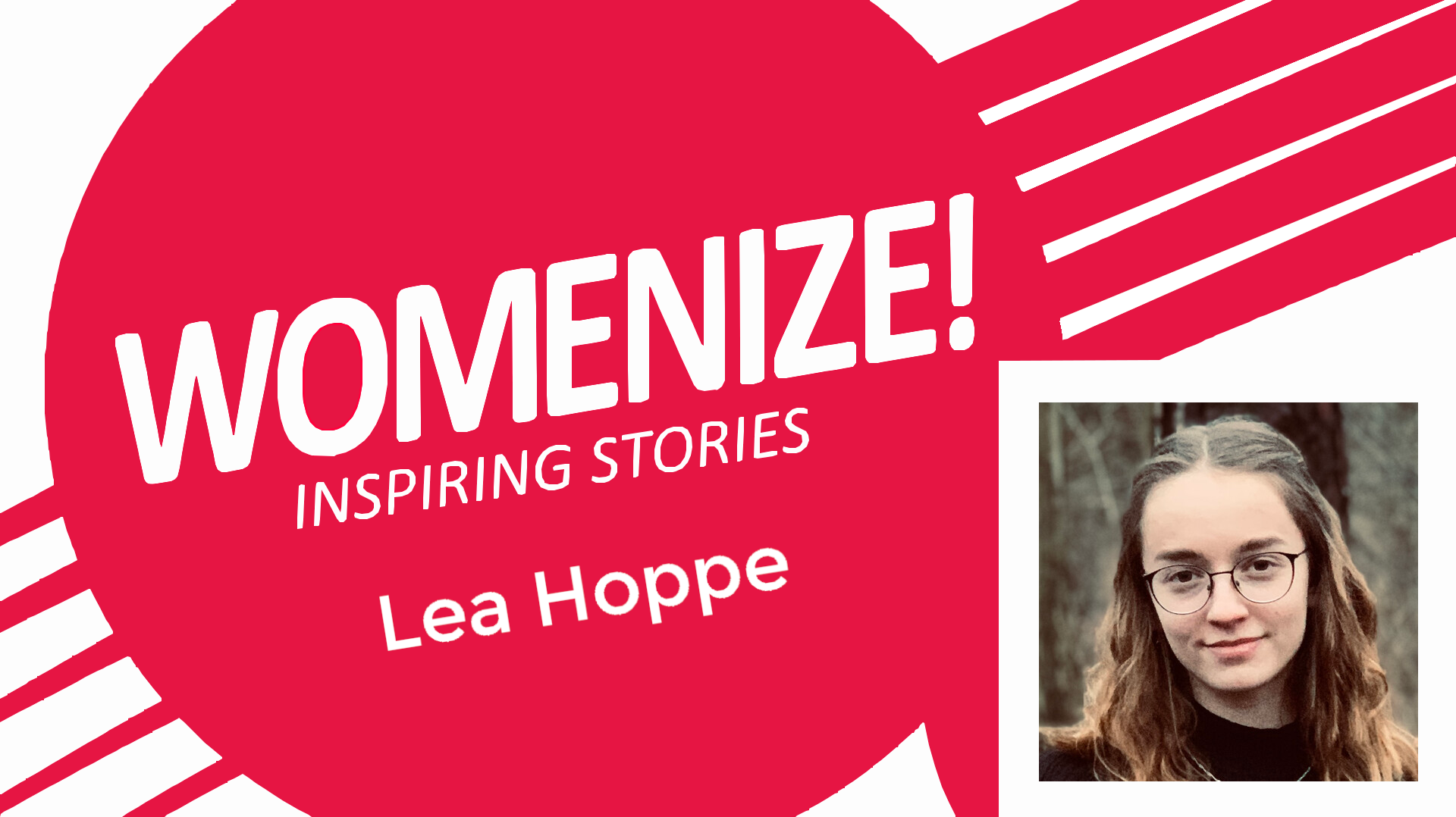
For Lea Hoppe, Head Instructor Games Programming at SAE Institute Germany, it’s all about embracing challenges, staying open to learning, and building strong communication and industry connections. This helped her grow from a games programming student into Head Instructor while helping prepare the next generation of game developers.
Hi Lea! You started as a Games Programming student at SAE Institute and are now leading the department as Head Instructor. Looking back, what were the most important decisions, challenges, or learning moments that helped you make that transition?
When I first started working at SAE, I actually began as a department assistant with smaller responsibilities. Even accepting that position was a challenge for me because I had never really seen myself teaching students or giving feedback on projects. I was worried that I wouldn’t live up to the expectations or have enough knowledge to help others.
Over time, though, I realized that I genuinely enjoyed working with students and that they appreciated the feedback and support I could give them. That gave me a lot more confidence and showed me that I was capable of taking on responsibilities I hadn’t considered before.
At the end of last year, I was then offered the position of Head Instructor. Again, I hesitated at first because it meant an even bigger step with more responsibilities and new challenges. It was definitely a major change, but looking back, I’m really glad I accepted it.
The biggest lesson I’ve learned throughout this journey is not to be afraid of trying new things, even if they seem completely outside of your comfort zone or you don’t immediately see yourself in that role. Sometimes the opportunities that seem the most intimidating end up being the ones that help you grow the most. For me, accepting those challenges has turned out to be one of the best decisions I’ve made.
Your role combines teaching, mentoring, and academic leadership. What does a typical day look like for you, and what are the moments that make you feel you’re having the biggest impact on the next generation of game developers?
There isn’t really a single “typical” day because my tasks vary quite a lot depending on what’s currently needed. Usually, I start my day by coming to campus and either working on my daily tasks in the office or attending meetings with colleagues or the student groups I supervise. On other days, I teach classes, prepare lectures, or hold feedback sessions with students.
Since becoming Head Instructor, my responsibilities have also expanded beyond teaching. I spend more time planning lectures, working on the content of our modules, and collaborating with the other Head Instructors to continuously improve our curriculum and the overall learning experience for our students.
The moments where I feel I have a big impact are definitely during feedback sessions. Rather than simply giving students the solution, I try to guide them towards finding it themselves. I think learning how to approach and solve problems independently is one of the most valuable skills they can develop.
It’s incredibly rewarding to see the moment when something finally clicks—when a student solves a problem they’ve been stuck on for days or sees their own idea come to life as something they can actually play. Those moments remind me why I enjoy being in this position so much.
I also try to give students as many opportunities as possible to connect with people from the games industry. Whether that’s recommending game jams, going to game related hangouts, or inviting developers to give talks at our campus, I want students to build connections early on and gain insights into what working in the industry is really like.
Coming from a background in media technology and later specializing in Games Programming, how did your educational journey shape the professional you are today? Are there any skills, mindsets, or experiences outside of coding that you believe are essential for long-term success in the games industry?
One of the biggest things I learned throughout my educational journey is to stay open to new opportunities. I think it’s important to try as many different things as possible and not be afraid of making mistakes. Mistakes are a natural part of learning, and every challenge teaches you something valuable that helps you grow.
I would also encourage anyone interested in game development to make as many small games as they can outside of their studies. Participate in game jams, attend industry events, and talk to other developers. Those experiences not only improve your technical skills but also help you understand how collaborative and diverse game development really is.
Another lesson that has become increasingly important to me is communication. Don’t be afraid to ask for help or feedback. Another pair of eyes often notices things you’ve overlooked, and being open to different perspectives usually leads to better solutions.
Especially in programming, I learned that there is rarely only one correct way to solve a problem. Being open to different approaches and learning from others is something that has helped me throughout my studies and continues to help me in my professional career today.
Thanks for this interview, Lea!
Lea’s links: LinkedIn
Womenize! – Inspiring Stories Feature by Madeleine Egger

